
Esiste un luogo in Alta Valtellina dove il tempo non scorre, ma si stratifica, inciso nel cuore grigio della montagna. È il Parco delle Incisioni Rupestri di Grosio e Grosotto, un santuario a cielo aperto dove la roccia smette di essere materia inerte per farsi memoria viva.
Immaginate di trovarvi davanti alla Rupe Magna: una gigantesca “balena” di pietra che emerge dal terreno, lunga 84 metri. Su questa schiena rocciosa, più di cinquemila segni tracciati millenni fa raccontano un mondo perduto.
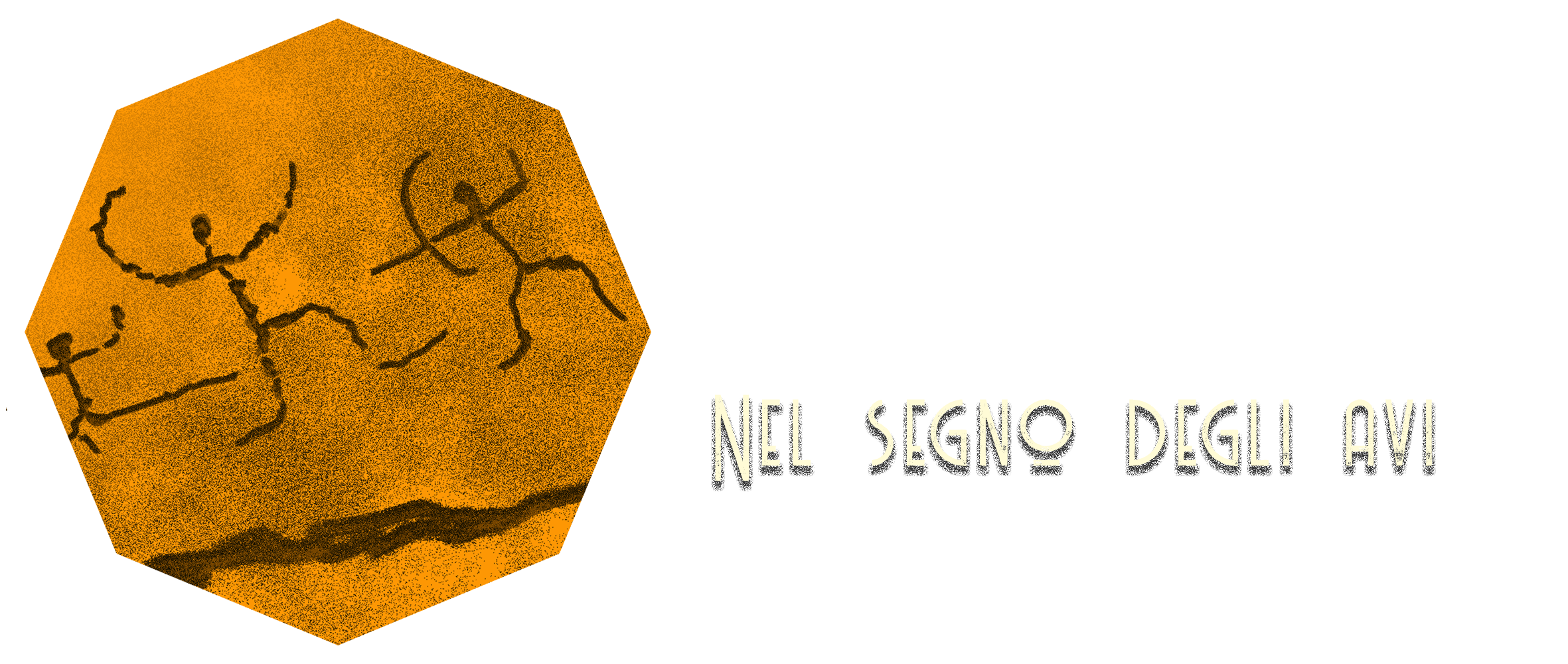
Ci sono guerrieri pronti alla sfida, animali selvatici e, soprattutto, i celebri “Oranti Saltici”: figure con le braccia tese verso il cielo, colte in una danza eterna che sembra ancora vibrare di una sacralità antica. L’incisione di queste storie inizia nel IV millennio a.C., quando l’uomo cercava un contatto con il divino attraverso il sole, e sono proseguite per tutta l’Età del Ferro.
Ma il viaggio non si ferma alla preistoria. Alzando lo sguardo, il profilo del Dosso dei Castelli domina il paesaggio con le sue sentinelle di pietra. Qui, il Medioevo incontra l’antico: i resti del Castello Vecchio, con la chiesetta romanica dei Santi Faustino e Giovita, sussurrano storie di vescovi e vassalli dell’XI secolo. Poco distante, le mura imponenti del Castello Nuovo, voluto dai Visconti nel XIV secolo per controllare i confini, ricordano un’epoca di battaglie e strategie militari.
Oggi, camminare tra i 26 ettari del parco significa attraversare cinquemila anni di civiltà in pochi passi, tra maestosi castagni e terrazzamenti vitati che sfidano la pendenza. Prima di andare via, una sosta all’Antiquarium Ca’ del Cap permette di sfiorare i resti di chi, prima di noi, ha chiamato queste valli “casa”.
Visitare questa parte delle Alte Terre : è un’esperienza immersiva in un crocevia di culture. È ascoltare la voce di una pietra che, da migliaia di anni, non ha mai smesso di parlare.
Luca Poletti
GROSIO AND GROSOTTO ROCK ENGRAVINGS PARK
Under the Sign of Our Ancestors
There is a place in Upper Valtellina where time does not simply pass—it settles in layers, carved into the grey heart of the mountain. This is the Grosio and Grosotto Rock Engravings Park, an open-air sanctuary where stone ceases to be inert matter and becomes living memory.
Imagine standing before the Rupe Magna: a colossal “stone whale”, 84 metres long, emerging from the earth. Across its vast rocky back, more than five thousand engravings, carved over thousands of years, tell the story of a long-lost world.
There are warriors poised for battle, wild animals and, above all, the celebrated Oranti Saltici—human figures with outstretched arms raised towards the sky, captured in an eternal dance that still seems to resonate with ancient spirituality.
These stories began to be carved during the fourth millennium BC, when humankind sought communion with the divine through the worship of the sun, and continued throughout the Iron Age.
Yet the journey does not end with prehistory.
Lift your gaze and the ridge of the Dosso dei Castelli rises above the landscape, crowned by its stone sentinels. Here, the Middle Ages meet the ancient world. The remains of the Castello Vecchio, together with the Romanesque Church of Saints Faustino and Giovita, whisper stories of bishops and feudal lords from the eleventh century. A short distance away, the imposing walls of the Castello Nuovo, commissioned by the Visconti family in the fourteenth century to control the surrounding frontiers, recall an age of conflict, political power and military strategy.
Today, walking through the park’s 26 hectares is like travelling across five thousand years of civilisation in just a few steps, surrounded by majestic chestnut trees and terraced vineyards clinging to the mountainside.
Before leaving, a visit to the Antiquarium Ca’ del Cap offers the opportunity to come face to face with the traces left by the people who first called these valleys home.
Visiting this corner of the High Lands is far more than a cultural excursion: it is an immersive journey through a crossroads of civilisations. It is listening to the voice of a stone that, for thousands of years, has never ceased to speak.