
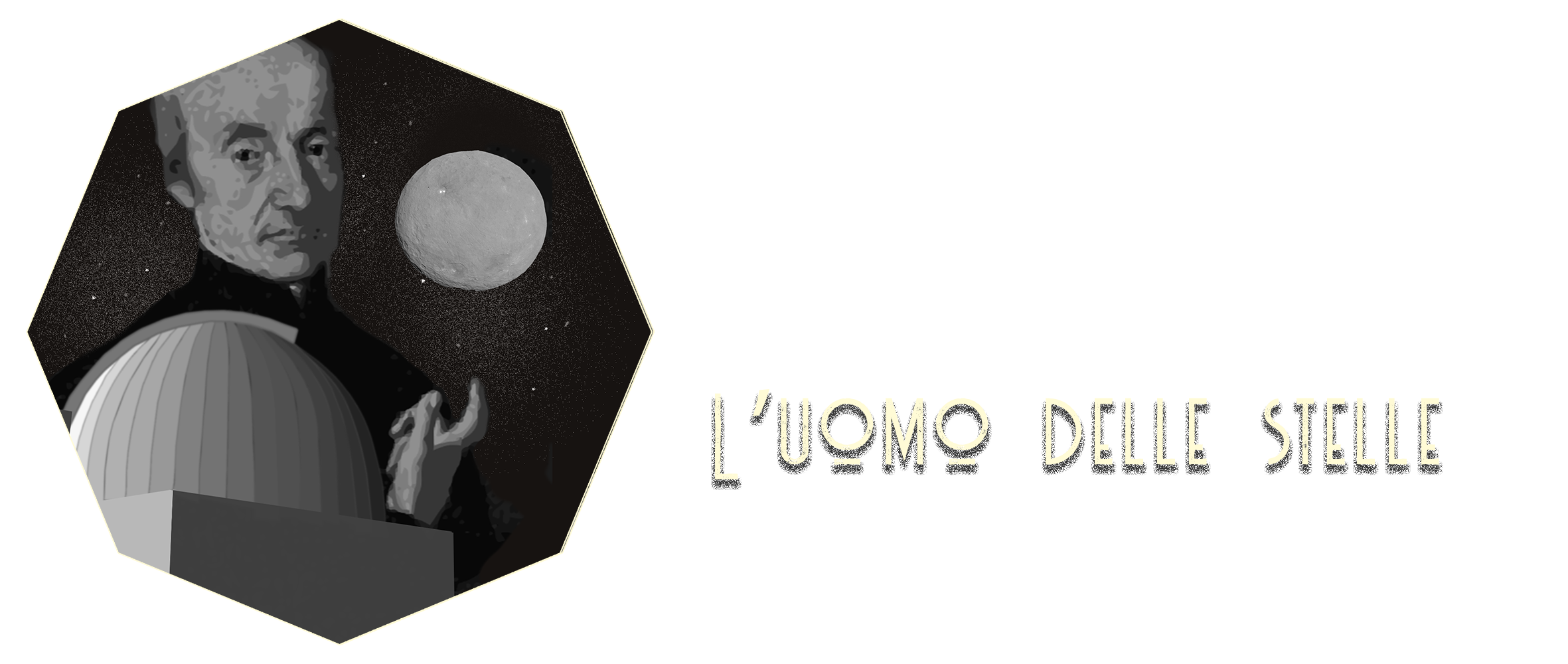
Parliamo di uno dei figli delle Alte Terre storicamente più noti al mondo.
Dietro l’austera figura di Giuseppe Piazzi, l’astronomo che ridisegnò i confini del sistema solare, si nasconde un uomo dalla personalità vibrante e dai legami inaspettati. Il suo nome completo era quasi infinito come l’universo che studiava: Gioacchino Giuseppe Maria Ubaldo Nicolò Piazzi. Nato a Ponte in Valtellina e penultimo di dieci figli, scelse la via religiosa nell’Ordine dei Teatini, ma la sua vera vocazione era scritta tra le stelle.
Pochi sanno che nel 1779, mentre insegnava teologia dogmatica a Roma, Piazzi ebbe come collega di cattedra Barnaba Chiaramonti, il futuro Papa Pio VII.
Ma la sua avventura scientifica decollò davvero quando fu inviato a Londra per acquisire i migliori strumenti del tempo.
Qui si manifestò la sua leggendaria ostinazione: per quasi due anni, Piazzi si recò ogni singolo giorno nell’officina del celebre costruttore Jesse Ramsden, noto per essere tanto geniale quanto distratto e propenso a dimenticare le commissioni. Durante la costruzione del famoso Cerchio Altazimutale, Piazzi diede prova di grande intuito tecnico suggerendo a Ramsden di inserire dei termometri lungo lo strumento per monitorarne le deformazioni termiche; un consiglio che il costruttore ignorò, limitando così la precisione finale dell’opera.
La scoperta che lo rese immortale avvenne quasi “per caso” la notte di Capodanno del 1801, mentre Piazzi correggeva gli errori dei cataloghi stellari precedenti. Quando vide quel puntino luminoso muoversi nel Toro, ebbe la prudenza di annunciarlo come una cometa, ma in una lettera segreta all’amico Barnaba Oriani confessò: “mi è venuto in mente più volte che potesse essere qualcosa di meglio”.
Quel “qualcosa di meglio” era Cerere, che lui volle battezzare Ferdinandea in onore del re Ferdinando III di Sicilia. Per questa scoperta, il Re lo ricompensò con una pensione di 200 onze, ma Piazzi, con spirito massonico e illuminato, continuò a vivere con semplicità.
Un’altra curiosità riguarda il suo rapporto con il grande William Herschel. Quando Herschel propose il termine “asteroide” per Cerere, Piazzi si sentì profondamente offeso, temendo che quel nome servisse a sminuire il valore della sua scoperta.
Reagì con una punta di amaro sarcasmo, annotando che presto avremmo visto “conti, duchi e marchesi anche in cielo”. La sua fama divenne tale che a Palermo, tra i corridoi accademici, i colleghi più invidiosi iniziarono a mettere in giro la maldicenza che non fosse stato Piazzi a scoprire l’astro, ma che fosse stato “Piazzi a essere scoperto da Cerere”.
Oltre alla scienza, Piazzi era profondamente legato alla Sicilia e alla massoneria, essendo membro della loggia palermitana “La Fratellanza”. Concluse i suoi giorni a Napoli, abitando nel palazzo della Real Paggeria e scegliendo di essere sepolto nella chiesa di san Gaetano Thiene, fondatore del suo ordine religioso. Oggi, il suo nome è ricordato sulla Luna in un cratere di 134 km e tra le stelle nell’asteroide 1000 Piazzia.
A pochi passi dalla sua casa natale, l’Osservatorio Astronomico “Giuseppe Piazzi” sorge oggi solitario in località San Bernardo, a 1238 metri d’altezza, la sentinella del cielo più alta della Lombardia.
Inaugurato nel 2009, è lo sguardo delle Alte Terre verso l’infinito. Sotto una cupola d’acciaio, un riflettore da 50 cm “made in Italy” scruta il buio.
Qui, l’Associazione Astrofili Valtellinesi accoglie ogni mese il pubblico, trasformando la scienza in un racconto accessibile a scuole e sognatori attraverso serate osservative guidate. L’osservatorio non è solo un luogo di memoria, ma un centro attivo per la divulgazione e la ricerca scientifica.
È in questo nido d’alta quota che l’eredità dell’astronomo continua a brillare, permettendo a chiunque di sfiorare i segreti del sistema solare ogni volta che il cielo si fa terso.
Luca Poletti
GIUSEPPE PIAZZI
THE MAN OF THE STARS
We are speaking of one of the most renowned sons of the High Lands.
Behind the austere figure of Giuseppe Piazzi—the astronomer who reshaped the boundaries of the Solar System—lies a man of vibrant character and unexpected connections. His full name was almost as boundless as the universe he studied: Gioacchino Giuseppe Maria Ubaldo Nicolò Piazzi. Born in Ponte in Valtellina and the ninth of ten children, he chose the religious path within the Theatine Order, yet his true calling was written among the stars.
Few people know that in 1779, while teaching dogmatic theology in Rome, Piazzi shared his professorial chair with Barnaba Chiaramonti, the future Pope Pius VII.
His scientific journey truly took flight, however, when he was sent to London to acquire the finest instruments of the age. It was here that his legendary determination became evident: for almost two years, Piazzi visited every single day the workshop of the renowned instrument maker Jesse Ramsden, famed for being as brilliant as he was absent-minded and prone to forgetting commissions. During the construction of the celebrated Altazimuth Circle, Piazzi demonstrated remarkable technical insight by suggesting that Ramsden install thermometers along the instrument to monitor thermal deformation—advice that was ultimately ignored, thus limiting the precision of the finished device.
The discovery that made him immortal occurred almost “by chance” on New Year’s Night in 1801, as Piazzi was correcting errors in earlier star catalogues. When he observed that tiny point of light moving through the constellation of Taurus, he cautiously announced it as a comet; yet in a private letter to his friend Barnaba Oriani, he admitted: “it has occurred to me more than once that it might be something better”.
That “something better” was Ceres, which he wished to name Ferdinandea in honour of King Ferdinand III of Sicily. For this discovery, the King awarded him a pension of 200 onze [historical Sicilian gold coins], yet Piazzi—guided by an enlightened and Masonic spirit—continued to live a modest life.
Another intriguing episode concerns his relationship with the great William Herschel. When Herschel proposed the term “asteroid” for Ceres, Piazzi was deeply offended, fearing that such a name would diminish the importance of his discovery. He reacted with a touch of bitter irony, remarking that we would soon see “counts, dukes and marquesses in the heavens as well”. His fame grew to such an extent that, in the academic corridors of Palermo, more envious colleagues began to whisper that it had not been Piazzi who discovered the celestial body, but rather that “Piazzi had been discovered by Ceres”.
Beyond science, Piazzi was deeply connected to Sicily and to Freemasonry, being a member of the Palermo lodge “La Fratellanza”. He spent his final days in Naples, residing in the palace of the Real Paggeria, and chose to be buried in the Church of San Gaetano Thiene, founder of his religious order. Today, his name lives on both on the Moon—in a 134-kilometre-wide crater—and among the stars, in the asteroid 1000 Piazzia.
A short distance from his birthplace, the “Giuseppe Piazzi” Astronomical Observatory now stands in solitude in the locality of San Bernardo, at an altitude of 1,238 metres—the highest celestial observatory in Lombardy.
Inaugurated in 2009, it represents the High Lands’ gaze into infinity. Beneath a steel dome, a 50 cm Italian-made reflector telescope scans the darkness.
Here, the Associazione Astrofili Valtellinesi welcomes visitors each month, transforming science into an accessible narrative for schools and dreamers alike through guided observation evenings. The observatory is not merely a place of remembrance, but an active centre for scientific outreach and research.
It is in this high-altitude haven that the astronomer’s legacy continues to shine, allowing anyone to brush against the secrets of the Solar System whenever the sky turns clear.