
Quando le Alte Terre diventano altissime.
Ci troviamo sospesi tra le nuvole, a 13816 metri di quota, dove l’ aria è così tersa e il silenzio così profondo da meritarsi il soprannome di “piccolo Tibet”.
Questa è la valle di Livigno, un altopiano incastonato nel cuore delle alpi Retiche , dove la natura ha dettato legge per secoli attraverso inverni interminabili e temperature che possono sprofondare fino a – 38 gradi.
Per secoli, Livigno è stata un’isola di terra circondata da un mare di neve.
Fino al 1952, quando cadevano le prime nevicate autunnali, il Passo del Foscagno si chiudeva e la valle restava completamente isolata dal resto del mondo fino alla primavera successiva.
In questo isolamento quasi mistico, si è forgiato il carattere dei livignaschi: una stirpe di montanari che ha saputo trasformare l’impervietà della geografia in un vessillo di libertà.
Come stimolare l’economia di queste terre così svantaggiate dalla natura?
Con agevolazioni fiscali.
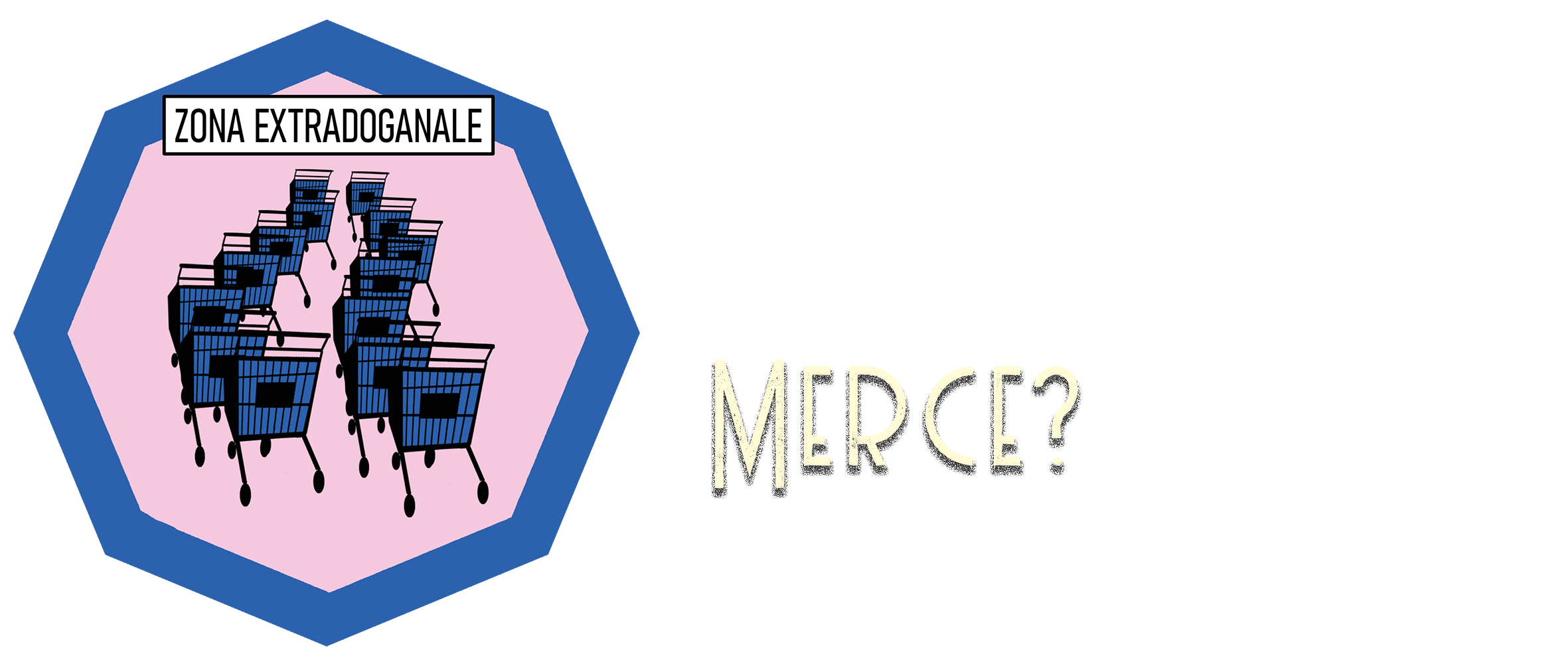
Il celebre status di zona franca di Livigno non è un privilegio moderno, ma una strategia di sopravvivenza antica. Le prime deroghe per l’esenzione dai dazi risalgono addirittura al 1538.
Questo spirito di autonomia attraversò le epoche: nel 1801, persino Napoleone Bonaparte riconobbe la peculiarità di questa valle indomita attraverso una convenzione stipulata dal Comando di Morbegno.
Quello che era un patto napoleonico divenne poi un contratto con l’Impero Austriaco nel 1819 e, infine, una legge dello Stato Italiano nel 1910. Oggi, questa unicità è un pilastro del diritto internazionale: il Regolamento (UE) n. 952/2013 (Codice Doganale dell’Unione) esclude formalmente il comune di Livigno dal territorio doganale dell’Unione Europea, rendendolo un caso giuridico ed economico pressoché unico nel continente, condiviso solo con la svizzera Samnaun.
A oggi questo regime fiscale prevede l’ esenzione dall’ Iva, dalle accise e dalle imposte di fabbricazione dello Stato italiano.
Questa condizione azzera le tasse di produzione e consumo di categorie di beni che nel resto del Paese pesantemente colpiti, come a esempio carburante, tabacchi, alcolici e cosmetici.
Altra agevolazione è l’ assenza di dazi doganali: le merci importate direttamente a Livigno da paesi extra-UE non subiscono la barriera doganale comunitario classica all’ ingresso de paesi aderenti.
Per queste ragioni fare acquisti a Livigno può risultare conveniente, nel limite delle franchigie imposte.
La modernità è arrivata con il rombo dei motori e l’apertura del tunnel Munt La Schera al traffico privato nel 1969, rompendo definitivamente l’incantesimo dell’isolamento invernale.
Da allora l’intraprendenza dei livignaschi ha saputo compiere un miracolo: trasformarsi in una capitale del turismo alpino senza perdere la propria anima.
Oggi, tra le antiche case in legno costruite con la tecnica blockbau e le tradizioni secolari come il Ghibinèt (l’Epifania livignasca), fiorisce un’ economia vibrante fatta di shopping duty-free e 115 km di piste da sci.
Il riconoscimento del livello organizzativo edella capacità di accoglienza turistica di Livigno è arrivato con la sfida epocale, vinta brillantemente: ospitare le gare di snowboard e freestyle dei Giochi Olimpici Invernali di Milano-Cortina 2026.
Livigno è riuscita a trovare nei propri limiti gli stimoli e le forze per raggiungere l’eccellenza, è questo è patrimonio di tutte le Alte Terre.
Luca Poletti
SHOPPING
GOODS?
“When the High Lands become the Highest.
We find ourselves suspended among the clouds at an altitude of 1,816 metres, where the air is so crystal-clear and the silence so profound that it has earned the name ‘Little Tibet’.
This is the Val di Livigno, a plateau nestled in the heart of the Rhaetian Alps, where nature has ruled unchallenged for centuries through endless winters and temperatures that can plunge as low as -38°C.
For centuries, Livigno was an island of land surrounded by a sea of snow.
Until 1952, when the first autumn snowfalls arrived, the Foscagno Pass would close, leaving the valley completely cut off from the rest of the world until the following spring.
In this almost mystical isolation, the character of the Livigno people was forged: a lineage of mountain dwellers who transformed the harshness of their geography into a banner of freedom.
How could the economy of such a land, so disadvantaged by nature, be stimulated?
Through tax relief.
Livigno’s renowned duty-free status is not a modern privilege, but an ancient survival strategy. The first exemptions from customs duties date as far back as 1538.
This spirit of autonomy endured through the ages: in 1801, even Napoleon Bonaparte recognised the uniqueness of this untamed valley through an agreement signed by the Command of Morbegno.
What began as a Napoleonic pact later became a contract with the Austrian Empire in 1819 and, ultimately, a law of the Italian State in 1910. Today, this uniqueness is enshrined in international law: Regulation (EU) No. 952/2013 (the Union Customs Code) formally excludes the municipality of Livigno from the customs territory of the European Union, making it an almost unique legal and economic case on the continent, shared only with Samnaun in Switzerland.
At present, this tax regime provides exemption from VAT, excise duties and Italian state manufacturing taxes. This specific advantage eliminates production and consumption taxes on categories of goods that are heavily taxed in the rest of Italy, such as fuel, tobacco, alcohol and cosmetics.
Another benefit is the absence of customs duties: goods imported directly into Livigno from non-EU countries are not subject to the standard EU customs barriers applied upon entry into member states.
For this reason, shopping in Livigno can be advantageous, within the limits of duty-free allowances.
Modernity arrived with the roar of engines and the opening of the Munt La Schera tunnel to private traffic in 1969, definitively breaking the spell of winter isolation.
Since then, the resourcefulness of the Livigno people has achieved something remarkable: transforming the area into a capital of Alpine tourism without losing its soul.
Today, alongside the ancient wooden houses built using the blockbau technique and centuries-old traditions such as the Ghibinèt (Livigno’s Epiphany celebration), a vibrant economy flourishes, driven by duty-free shopping and 115 kilometres of ski slopes.
Recognition of Livigno’s organisational excellence and its capacity for hospitality came with a historic challenge, brilliantly met: hosting the snowboard and freestyle events of the Milano-Cortina 2026 Winter Olympic Games.
Livigno has succeeded in turning its limitations into motivation and strength to achieve excellence—and this is a legacy shared by all the High Lands.”