
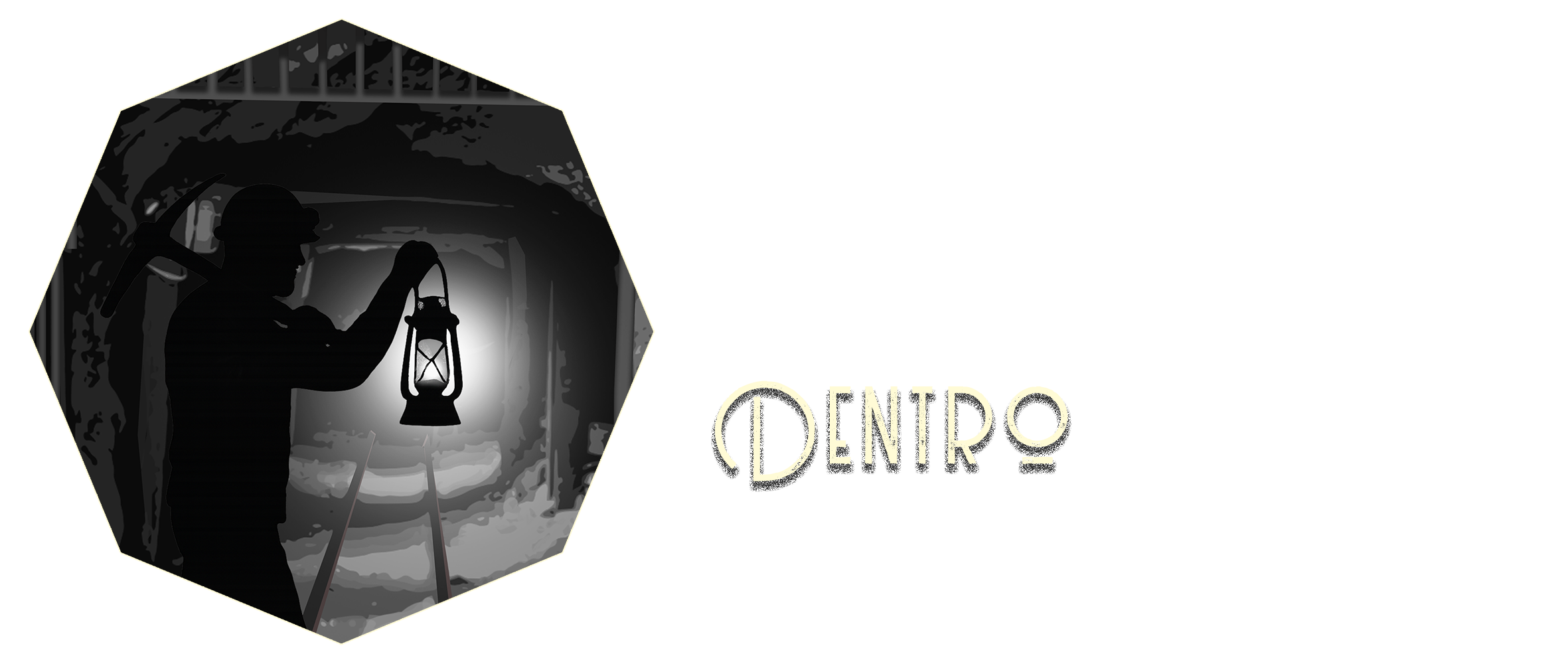
Le Alte Terre sanno anche essere profonde.
Valtellina e la Valchiavenna custodiscono un passato minerario vibrante, fatto di millenarie fatiche, ingegno e tesori nascosti.
Scavare tra queste vette non è mai stata una mera questione economica; per secoli è stato l’atto primordiale della sopravvivenza, un marchio d’identità impresso nella roccia che ha trasformato la montagna in una casa.
La Valmalenco brilla come una star geologica internazionale, con oltre 300 specie mineralogiche che la rendono uno “scrigno” unico al mondo.
Qui, il verde delle serpentiniti diventa un marchio paesaggistico, ma il vero “fuoco” della valle è il granato demantoide, gemma smeraldina d’inestimabile valore che nasce tra le cave dello Sferlùn e i Dossi di Franscia. La montagna nasconde però colori inaspettati: dalla topazolite giallo-miele alla melanite, il granato nero come la notte.
Nel XIX secolo, la febbre dell’estrazione raggiunse il suo apice: nel 1880 si contavano ben 64 giacimenti di amianto attivi nella provincia di Sondrio, di cui 62 concentrati nella sola Valmalenco e ben 50 nel territorio di Lanzada. Erano tempi di sfide titaniche, dove la mancanza di strade costringeva donne e bambini a caricarsi il minerale in spalla, percorrendo i sentieri in lunghe file silenziose e con una dignità d’altri tempi.
Nelle Alte Terre gira un detto che sottolinea la capacità imprenditoriale dei “malenchi”, capaci di vendere anche i sassi!
Le miniere raccontano anche storie di eccellenza tecnologica e segreti industriali. La storica Miniera della Bagnada, scoperta nel 1936 e attiva fino al 1987, ha offerto per cinquant’anni un talco così puro e candido da poter essere tagliato con un coltello, conteso dai grandi marchi della cosmesi mondiale e destinato a diventare la finissima cipria delle signore.
Più in alto, nelle Orobie, si forgiava un ferro di qualità superiore rispetto a quello industriale europeo: mentre il resto del continente cedeva al carbone coke, i forni valtellinesi continuavano a usare l’antico carbone di legna, producendo un metallo d’eccezionale resistenza.
In Valchiavenna, l’anima della terra si rivela nella leggendaria pietra ollare di Piuro e nelle sue “trone”, labirinti sotterranei scavati nel cuore della montagna. In questa valle, la roccia si è fatta arte in luoghi simbolo come la Cava della Caurga e il quartiere della Bottonera, dove il suono del tornio era la colonna sonora quotidiana.
Dalle mani degli artigiani sono nati non solo utensili, ma capolavori come il fonte battesimale di Chiavenna, testimonianza di una pietra tenera al tocco ma eterna nello spirito. È qui che nasce il làvec, la pentola simbolo di convivialità che ancora oggi, grazie a artigiani appassionati, porta sulla tavola il sapore di una cucina lenta e antica.
In Valchiavenna (in particolare l’area di Piuro e Prosto) la produzione di lavec risale all’epoca romana.
Esistono inoltre atti del 1477 e 1489 che testimoniano l’esistenza di numerose “trone” (cave) e torni a Piuro e Prata Camportaccio.
La produzione a Piuro subì un colpo durissimo con la catastrofica frana del 1618, che seppellì gran parte dell’abitato e delle officine.
La Valmalenco invece è la zona dove la tradizione è rimasta più viva e continua fino ai giorni nostri.
Oggi, i laboratori e i musei come la Bagnada sono autentici ponti verso il futuro, dove il lavoro dei minatori diventa patrimonio identitario. Che sia un gioiello verde o un làvec fumante, ogni pietra racconta la stessa epopea: una montagna che ha dato tutto, capace di lasciare un’eredità unica di fatica e bellezza.
Luca Poletti
EXTRACTIVE ACTIVITY
BENEATH THE SURFACE
The High Lands are capable of great depth, too.
Valtellina and Valchiavenna preserve a vibrant mining heritage, shaped by millennia of hard labour , ingenuity and hidden treasures. Digging into these mountains was never merely an economic pursuit; for centuries, it was a fundamental act of survival, a mark of identity etched into the rock itself, transforming the mountains into a home.
Valmalenco shines as an internationally renowned geological treasure, boasting more than 300 mineral species and earning its reputation as a unique natural “jewel box”.
Here, the green hues of serpentinite have become a defining feature of the landscape, yet the valley’s true “fire” is the demantoid garnet, an emerald-green gemstone of extraordinary value found between the quarries of Sferlùn and the Dossi di Franscia. The mountain, however, conceals unexpected colours: from honey-yellow topazolite to melanite, the black garnet as dark as the night.
During the nineteenth century, mining fever reached its peak. By 1880, no fewer than 64 asbestos deposits were being worked across the Province of Sondrio, 62 of them concentrated in Valmalenco alone, with as many as 50 located within the territory of Lanzada. These were times of immense hardship and determination, when the absence of roads forced women and children to carry the mineral on their backs, walking the mountain paths in long, silent processions marked by a dignity from another age.
In the High Lands, there is a saying that highlights the entrepreneurial spirit of the people of Valmalenco: they are said to be capable of “selling even stones”.
The mines also tell stories of technological excellence and industrial secrets. The historic Bagnada Mine, discovered in 1936 and active until 1987, yielded for fifty years a talc so pure and white that it could be cut with a knife. Coveted by the world’s leading cosmetics brands, it became the finest face powder used by generations of women.
Higher up, in the Orobie Alps, iron of a quality superior to that produced elsewhere in industrial Europe was forged. While much of the continent had turned to coke-fired furnaces, the ironworks of Valtellina continued to use traditional charcoal, producing a metal of exceptional strength and durability.
In Valchiavenna, the soul of the earth reveals itself through the legendary pietra ollare (soapstone) of Piuro and its trone, underground labyrinths carved deep into the mountain. Here, stone was transformed into art in emblematic places such as the Caurga Quarry and the Bottonera district, where the sound of the lathe provided the daily soundtrack of life.
From the hands of skilled craftsmen emerged not only practical tools but also masterpieces such as the baptismal font of Chiavenna, testimony to a stone that is soft to the touch yet eternal in spirit. It is here that the làvec was born: the iconic cooking pot that symbolises conviviality and which, thanks to passionate artisans, still brings the flavours of a slow and ancient cuisine to the table today.
In Valchiavenna, particularly around Piuro and Prosto, the production of làvec dates back to Roman times.
Historical records from 1477 and 1489 attest to the presence of numerous trone (quarries) and stone-working lathes in Piuro and Prata Camportaccio.
Production in Piuro suffered a devastating blow following the catastrophic landslide of 1618, which buried much of the settlement and its workshops.
Valmalenco, by contrast, is the area where this tradition has remained strongest and has continued uninterrupted to the present day.
Today, workshops and museums such as the Bagnada Mine Museum serve as genuine bridges to the future, where the work of miners has become a cornerstone of local identity and heritage. Whether it is a green gemstone or a steaming làvec, every stone tells the same epic story: that of a mountain which gave everything it had, leaving behind a unique legacy of hardship, craftsmanship and beauty.