
Non puoi sbagliare colore, altrimenti non lo sai ancora ma sei daltonico!
Verde è la sua acqua, i campi che bagna e le montagne che nell’Adda si affacciano.
Il viaggio comincia nel respiro gelido e purissimo del Parco Nazionale dello Stelvio, dove l’Adda vede la luce a 2.122 metri nella Val Alpisella. Qui, tra le vette delle Alpi Retiche, il fiume è poco più di un segreto sussurrato tra le rocce, prima di scendere verso la conca di Bormio. Per chi vive in Alta Valle, questo ruscello è un compagno d’infanzia che attraversa i paesi portando con sé l’eco dei ghiacciai.
Non è un fiume navigabile ma comunque da sempre rappresenta una risorsa essenziale per il territorio, e lo puoi seguire ed ammirare seduto sul sellino di una bici, oppure a piedi.
Benvenuto sul Sentiero Valtellina!
A Bormio, dove le storiche terme offrono ristoro da secoli, il Sentiero Valtellina inizia a distendersi, diventando subito il palcoscenico della vita quotidiana dei locali.
Scendendo verso Tirano, il sentiero non è solo una striscia di asfalto, ma un filo teso tra culture: qui le mura volute da Ludovico il Moro racchiudono un centro storico che profuma di storia e di ottimi vini. I valtellinesi guardano con orgoglio al passaggio del Trenino Rosso del Bernina, patrimonio UNESCO, che da qui sfida le vette. Poco lontano, il Parco delle Incisioni Rupestri di Grosio ricorda che l’uomo ha scelto queste sponde come casa fin dalla notte dei tempi.
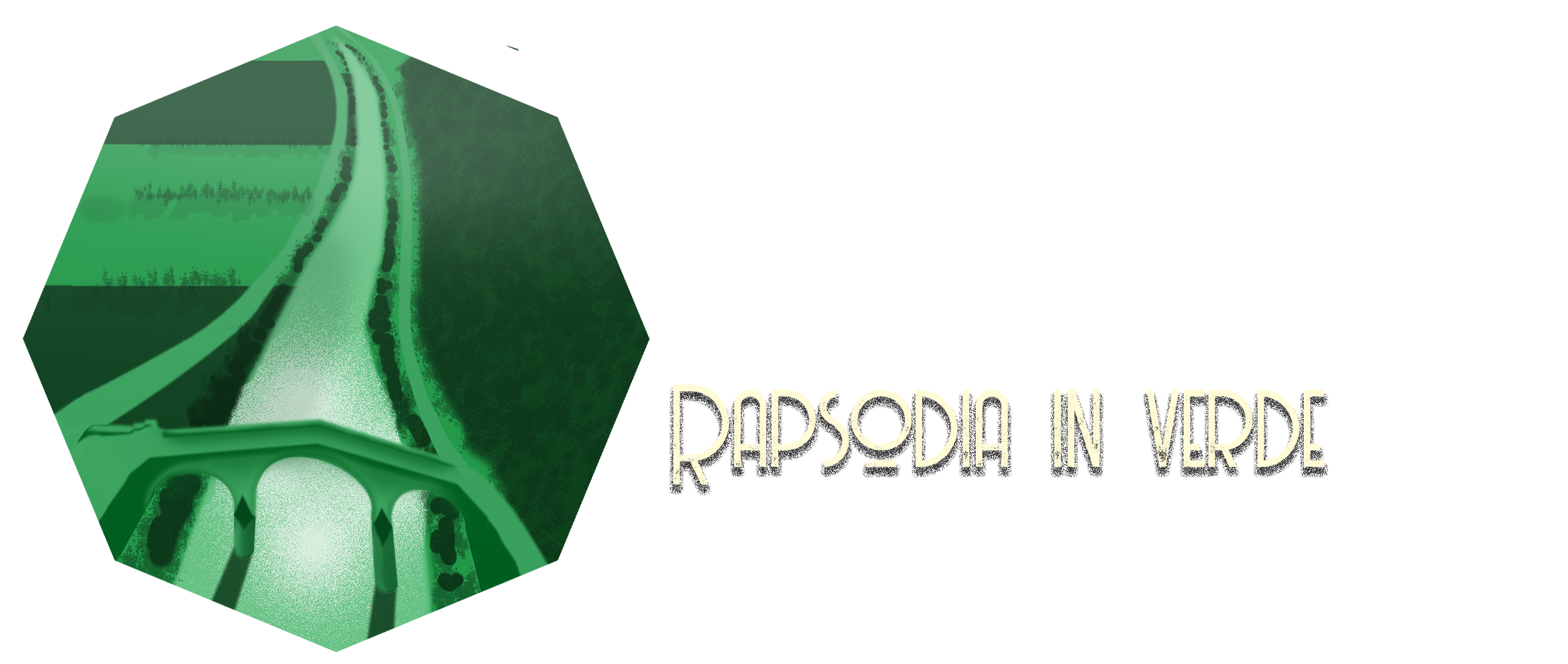
Il legame della popolazione con la propria terra si fa tangibile nel tratto centrale della valle. A Sondrio, il Castello Masegra sorveglia dall’alto il cammino, offrendo un balcone panoramico che abbraccia i tetti della città e i vigneti terrazzati. Più a valle, a Morbegno, il settecentesco Ponte di Ganda si erge con la sua solida struttura a dorso di mulo: un simbolo di resilienza, costruito per resistere alle piene dell’Adda e unire indissolubilmente le due sponde.
Queste ciclabili sono un atto d’amore collettivo: la loro realizzazione è stata possibile grazie all’impegno delle Comunità Montane, che hanno investito nel territorio per trasformare vecchi sentieri in luoghi di incontro. Per un valtellinese, percorrere i 114 km del Sentiero significa sentirsi a casa, tra filari di viti e meleti che scandiscono le stagioni.
Alle porte del lago, presso Colico, il paesaggio si apre nella maestosa Riserva Naturale Pian di Spagna, un santuario di biodiversità dove l’Adda rallenta il suo corso prima di tuffarsi nel Lario. Qui, il profilo severo del Forte di Fuentes ricorda tempi di battaglie e confini.
Ma la storia si biforca: verso nord-est si risale la Ciclabile Valchiavenna. Per i chiavennaschi, questi 40 km sono un tesoro di famiglia che unisce Colico al confine svizzero della Val Bregaglia. È un percorso che profuma di atmosfera mitteleuropea, dove la storia affiora tra gli scavi archeologici di Piuro e l’eleganza di Palazzo Vertemate Franchi. E quando si giunge al cospetto delle Cascate dell’Acquafraggia, il fragore dell’acqua sembra celebrare l’unione eterna tra l’uomo e la natura di queste valli.
Chi pedala, cammina e corre su questi sentieri è testimone di una storia scritta con la pietra, con l’acqua e con la passione della sua gente .
Le nevi delle Alte Terre si sciolgono e attraverso il lungo fiume verde, di mare in mare, raggiungono i quattro angoli del mondo.
Luca Poletti
THE ADDA RIVER
RHAPSODY IN GREEN
You simply can’t get the colour wrong—otherwise, you may not realise it yet, but you’re colour-blind!
Green is its water, the fields it nourishes, and the mountains that gaze upon themselves in the Adda.
The journey begins in the icy, pristine breath of the Stelvio National Park, where the Adda is born at 2,122 metres in Val Alpisella. Here, among the peaks of the Rhaetian Alps, the river is little more than a whispered secret among the rocks, before descending towards the basin of Bormio. For those who live in the Upper Valley, this stream is a childhood companion, flowing through villages and carrying with it the echo of glaciers.
It is not a navigable river, yet it has always been an essential resource for the territory. You can follow and admire it seated on a bicycle saddle or on foot.
Welcome to the Valtellina Trail!
In Bormio, where historic thermal baths have offered relief for centuries, the Valtellina Trail begins to unfold, immediately becoming the stage for everyday local life.
As you descend towards Tirano, the path is not merely a strip of asphalt but a thread stretched between cultures: here, the walls commissioned by Ludovico il Moro enclose a historic centre rich in heritage and fine wines. The people of Valtellina look with pride at the passing of the Bernina Red Train, a UNESCO World Heritage site, which from here challenges the peaks. Not far away, the Rock Engravings Park of Grosio reminds us that humankind has chosen these banks as home since time immemorial.
The bond between the people and their land becomes tangible in the central stretch of the valley. In Sondrio, Masegra Castle watches over the route from above, offering a panoramic balcony embracing the rooftops of the town and its terraced vineyards. Further downstream, in Morbegno, the 18th-century Ganda Bridge rises with its solid humpbacked structure: a symbol of resilience, built to withstand the floods of the Adda and to unite the two banks inseparably.
These cycle paths are a collective labour of love : their creation was made possible thanks to the commitment of the Mountain Communities, who invested in the land to transform old trails into places of connection. For a local from Valtellina, travelling the 114 kilometres of the Trail means feeling at home, among rows of vines and apple orchards that mark the rhythm of the seasons.
At the gateway to the lake, near Colico, the landscape opens into the majestic Pian di Spagna Nature Reserve, a sanctuary of biodiversity where the Adda slows its course before flowing into Lake Como. Here, the austere outline of Fort Fuentes recalls times of battles and borders.
But history branches off: to the north-east, the Valchiavenna Cycle Path climbs once more. For the people of Chiavenna, these 40 kilometres are a family treasure linking Colico to the Swiss border of Val Bregaglia. It is a route imbued with a Mitteleuropean atmosphere, where history emerges among the archaeological remains of Piuro and the elegance of Palazzo Vertemate Franchi. And when you stand before the Acquafraggia Waterfalls, the roar of the water seems to celebrate the eternal union between humankind and nature in these valleys.
Those who cycle, walk, or run along these paths become witnesses to a story written in stone, water, and the passion of its people.
The snows of the High Lands melt and, through the long green river, from sea to sea, they reach the four corners of the world.