
Il verde delle vette estive, della speranza che lassù qualcuno vegli sugli uomini alla ricerca di nuovi limiti.
L’alpinismo, qui sulle Alte Terre, è nato prima dello sport.
Da sempre fa parte del patrimonio genetico dell’ uomo.
Qui, dove le valli si aprono a “Y” verso l’infinito, svettano giganti leggendari che sorvegliano il destino di chi osa sfidarli: il Pizzo Bernina, sovrano assoluto che tocca il cielo con i 4.021 metri della Punta Perrucchetti, e il mitico Pizzo Badile (3.308 m), un altare di granito che da secoli attira pionieri da tutta Europa.
In queste valli la fatica ha radici profonde e il legame con la vetta si fa identità collettiva.
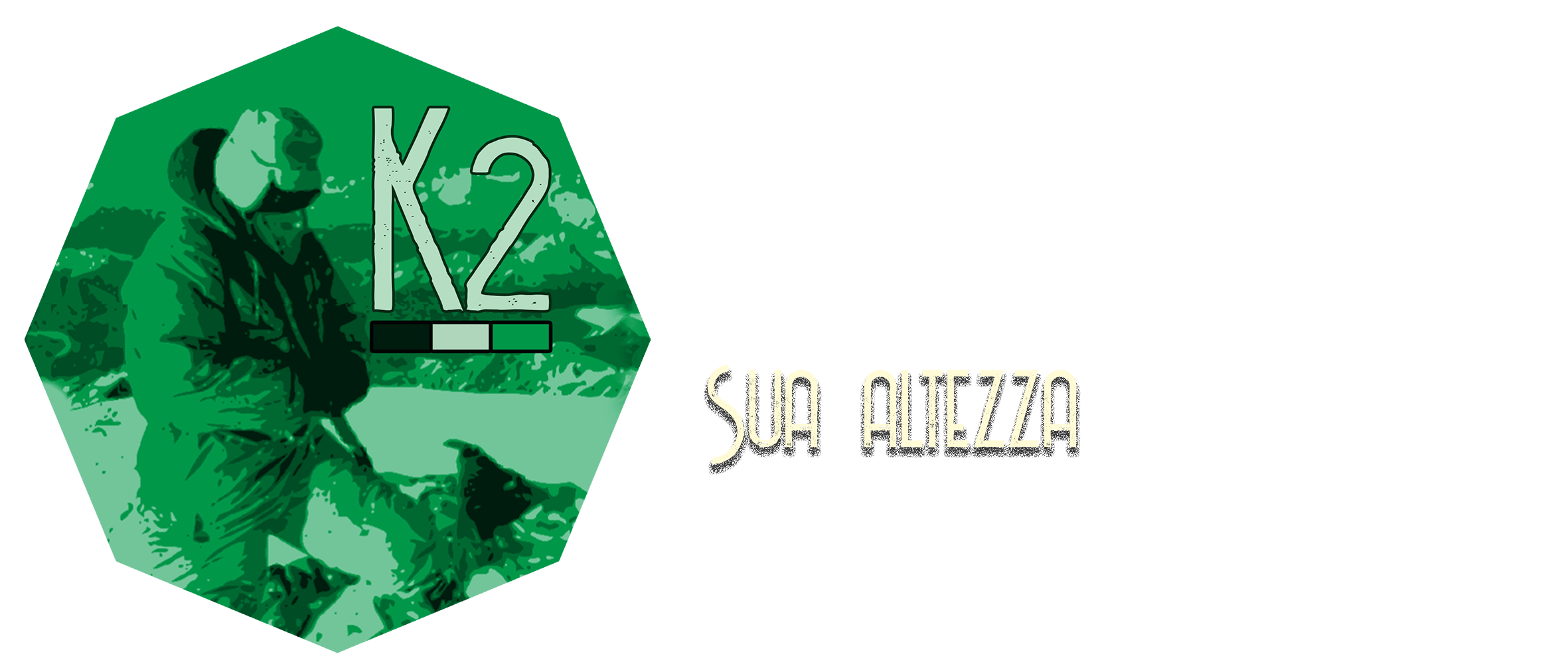
Ne è simbolo Achille Compagnoni, nato a Valfurva nel 1914, la cui tempra fu forgiata tra i ghiacciai di casa prima di legare il suo nome alla storia universale. Il 31 luglio 1954, conquistando la cima del K2 (8.611 m) insieme a Lino Lacedelli,
Un’impresa epocale che gli valse a entrambi la Medaglia d’Oro al Valor Civile e, nel 2003, il titolo di Cavaliere di Gran Croce al Merito della Repubblica. La sua avventura è ricordata anche nel documentario del CAI Italia K2.
Compagnoni non compì solo un’impresa atletica, ma diede corpo al sogno di un’intera nazione. Come ebbe a dire il capospedizione Ardito Desio, quella scalata serviva a “ridare alla nostra gente l’orgoglio di essere italiani” e ad “aiutare l’Italia a fare un passo verso il cielo”. Da quel momento, il gigante del Karakorum divenne per tutti la “Montagna degli Italiani”, un simbolo di rinascita post-bellica che ancora oggi, a settant’anni di distanza, continua a ispirare generazioni di sognatori.
L’emozione di queste imprese rivive nelle testimonianze di chi le ha vissute, come il commosso ricordo di Pino Gallotti, che osservando dal basso i compagni raggiungere la vetta del K2, scrisse nel suo diario: “Non vedrò mai più nulla in vita mia che mi commuova in questo modo. Ho pianto silenziosamente”. È questa stessa commozione che spinge ancora oggi gli escursionisti a percorrere l’Alta Via della Valchiavenna verso il Pizzo Stella (3.163 m) o a sfidare le genti del vento lungo il Sentiero Roma.
L’amore viscerale di questo territorio per le sue cime è scritto anche nella pietra dei suoi rifugi, vere “case di vetta” che raccontano storie di incredibile resilienza. Strutture come l’Antonio Omio in Val Masino o il Luigi Brasca in Val Codera non sono solo punti di appoggio, ma monumenti alla passione locale: rasi al suolo durante i conflitti mondiali, furono ricostruiti pietra su pietra dalla tenacia degli appassionati, diventando presidi di memoria e scuole di vita. Ancora oggi, il rifugio Omio resta una meta privilegiata per le scuole di alpinismo, dove il granito delle pareti circostanti si trasforma in una palestra per formare i nuovi custodi della montagna.
Oggi, il CAI e le scuole alpine continuano a tramandare questa eredità, insegnando che ogni ascesa è un percorso interiore e un atto di rispetto verso la natura.
L’alpinismo non è solo storia di imprese: è anche cultura e memoria condivisa.
A Sondrio, il Museo CAST – Museo della Montagna, ospitato nel Castello Masegra, racconta questa tradizione attraverso un percorso “narrante” dedicato alle tre A: Arrampicata, Alpinismo e Ambiente. Installazioni multimediali, video e proiezioni rendono viva l’esperienza del mondo alpino, mentre eventi e mostre temporanee mantengono aperto il dialogo tra passato e presente.
In queste valli, tra il granito e l’orizzonte, l’alpinismo resta un racconto corale che si rinnova a ogni alba, un’avventura che invita l’anima a cercare la propria profondità tra la terra e il cielo.
Luca Poletti
ALPINISM
HIS MAJESTY
The green of summer peaks, of hope that, up there, someone watches over those who seek new limits.
Alpinism, here in the High Lands, was born long before it became a sport.
It has always been part of innate heritage of humankind.
Here, where the valleys open in a “Y” shape towards infinity, legendary giants rise, watching over the fate of those who dare to challenge them: Pizzo Bernina, the absolute sovereign, touching the sky with the 4,021 metres of Punta Perrucchetti, and the mythical Pizzo Badile (3,308 m), a granite altar that for centuries has drawn pioneers from across Europe.
In these valleys, hardship runs deep, and the bond with the summit becomes a shared identity.
A symbol of this is Achille Compagnoni, born in Valfurva in 1914, whose character was forged among the local glaciers before his name became part of universal history. On 31 July 1954, by reaching the summit of K2 (8,611 m) together with Lino Lacedelli, he achieved an epoch-making feat that earned them both the Gold Medal for Civil Valour and, in 2003, the title of Knight Grand Cross of the Italian Republic. His adventure is also recounted in the CAI Italia documentary K2.
Compagnoni’s was not merely an athletic achievement; it gave form to the dream of an entire nation. As expedition leader Ardito Desio declared, that ascent served to “restore to our people the pride of being Italian” and to “help Italy take a step towards the sky”. From that moment on, the giant of the Karakoram became for all the “Mountain of the Italians”, a symbol of post-war rebirth that, even seventy years later, continues to inspire generations of dreamers.
The emotion of these feats lives on in the testimonies of those who experienced them, such as the moving recollection of Pino Gallotti, who, watching his companions reach the summit of K2 from below, wrote in his diary: “Never again in my life will I see anything that moves me like this. I wept silently.” It is this same emotion that still drives hikers today to follow the Alta Via della Valchiavenna towards Pizzo Stella (3,163 m) or to challenge the “people of the wind” along the Sentiero Roma. [“genti del vento” could also be rendered as “windswept spirits” (more poetic) or “those who belong to the wind” (more interpretative), depending on the intended nuance.]
The visceral love this land holds for its peaks is also carved into the stone of its mountain huts, true “homes at altitude” that tell stories of extraordinary resilience. Structures such as the Antonio Omio hut in Val Masino or the Luigi Brasca hut in Val Codera are not merely shelters, but monuments to local passion: razed to the ground during the World Wars, they were rebuilt stone by stone through the determination of enthusiasts, becoming bastions of memory and schools of life. Even today, the Omio hut remains a privileged destination for mountaineering schools, where the surrounding granite walls become a natural training ground for shaping the new custodians of the mountains.
Today, the CAI and alpine schools continue to pass on this heritage, teaching that every ascent is an inner journey and an act of respect towards nature.
Alpinism is not only a history of achievements: it is also culture and shared memory.
In Sondrio, the CAST – Mountain Museum, housed within Castello Masegra, recounts this tradition through a narrative path dedicated to the three A’s: Climbing, Alpinism and Environment. Multimedia installations, videos and projections bring the alpine world vividly to life, while events and temporary exhibitions keep the dialogue between past and present alive.
In these valleys, between granite and horizon, alpinism remains a collective story renewed at every dawn—an adventure that invites the soul to seek its own depth between earth and sky.